Why Electronics Recycling Helps Reduce Environmental Impact
Sustainable Solutions: How E-Waste Recycling Services Are Saving Our Planet
Electronic waste presents serious dangers to the environment, as disposed electronics frequently harbor hazardous substances. Such dangerous compounds can pollute soil and water supplies, resulting in widespread environmental harm. E-waste recycling services present a viable solution. They successfully retrieve useful resources while simultaneously minimizing environmental pollution. Gaining insight into how these programs function and affect local communities is critical. Pursuing efficient e-waste management brings forth pressing questions regarding individual duties and shared responsibility. What actions should be considered going forward?
How E-Waste Is Hurting the Planet
Even though technology enhances our daily lives, e-waste poses serious threats to the environment. Discarded electronic devices, commonly laden with hazardous materials such as mercury, lead, and cadmium, are capable of seeping pollutants into soil and groundwater, posing risks to ecosystems and human health. The swift progression of technology contributes to greater consumer replacement of electronic devices, intensifying the growing problem of discarded electronic materials.
Landfills, already strained by waste, are unable to keep up with the rising quantities of abandoned electronics. Incineration, another disposal method, releases harmful pollutants into the atmosphere, contributing to air quality degradation. Moreover, poor recycling procedures can cause e-waste to be sent to developing regions, where employees may disassemble electronics without sufficient safety precautions, leaving them vulnerable to harmful substances. This pattern of negligence and mismanagement highlights the critical demand for eco-friendly recycling alternatives that can reduce the damaging impact of electronic waste on the environment.
Understanding E-Waste and Its Significance
Electronic waste, commonly known as e-waste, comprises obsolete electronic products like computers, smartphones, and televisions that have exceeded their operational lifespan. This increasingly prevalent form of waste is important due to Begin here its rapid accumulation, driven by technological advancements and consumer trends. As growing numbers of electronics become outdated, the toll on the environment grows more severe, with dangerous elements including lead, mercury, and cadmium threatening both ecosystems and public health.
The significance of tackling e-waste extends beyond minimizing these risks to recognizing the valuable resources it holds. Critical metals and rare earth components can be reclaimed and recycled, decreasing the reliance on mining and protecting natural resources. With a thorough understanding of e-waste and its impact, people and organizations alike can make educated decisions about disposal and recycling, helping to build a more sustainable world. Effective handling of e-waste is vital for encouraging a circular economy and advancing environmental responsibility.
How the E-Waste Recycling Process Works
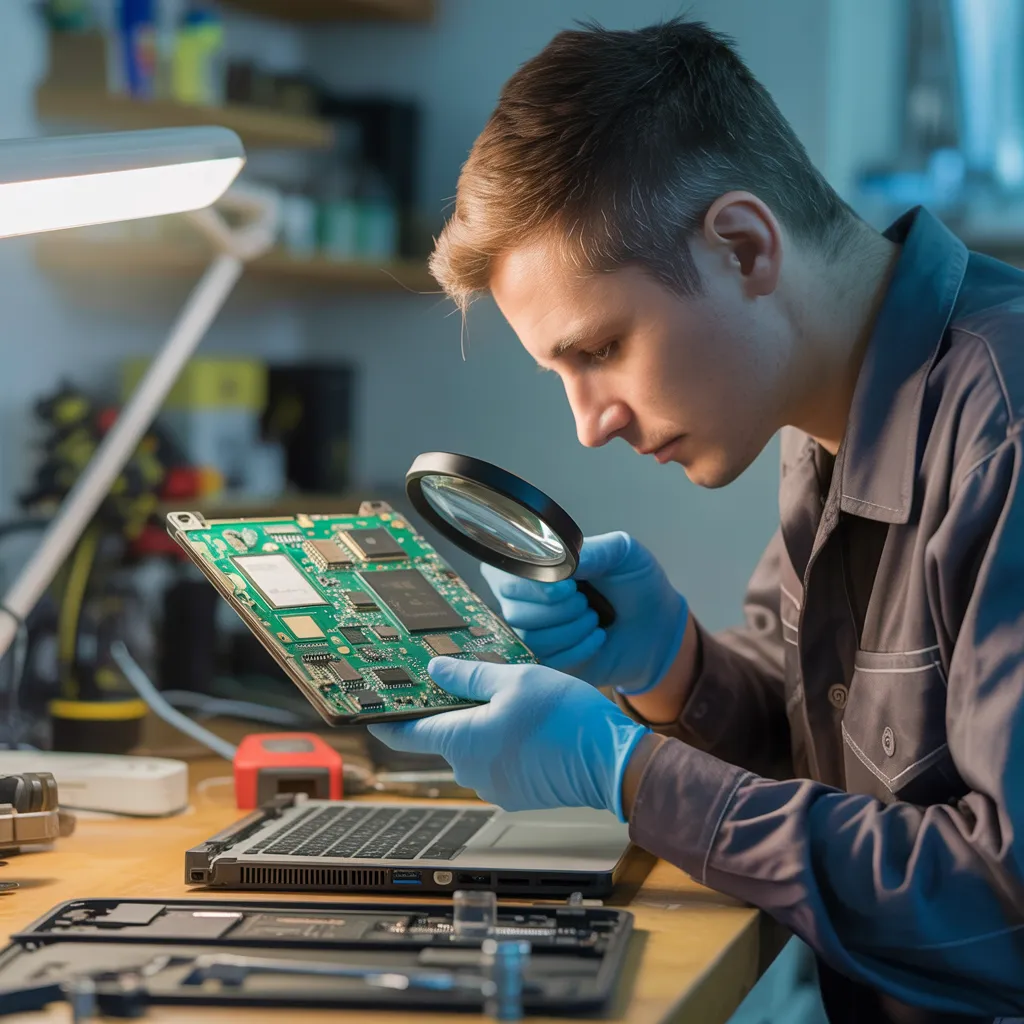
Recycling e-waste involves an organized procedure intended to extract beneficial components while limiting ecological damage. Initially, electronic waste is gathered and delivered to purpose-built recycling plants. After reaching the facility, the electronics are carefully categorized to separate hazardous components from recyclable materials.
Subsequently, specialists dismantle the devices, recovering plastics, metals, and glass. This phase is essential, as it facilitates the reclamation of precious metals like copper, gold, and silver, which can be recycled in modern electronics.
Afterward, the isolated materials are processed with advanced techniques, such as shredding and specialized chemical treatments, to refine them for further use.
Ultimately, the remaining hazardous materials are disposed of responsibly, complying with eco-friendly standards. This comprehensive process not only saves important resources but also mitigates the risks associated with improper e-waste disposal, securing a more eco-conscious future for the consumption of electronics.
Why E-Waste Recycling Matters for You and Your Community
Although it often goes unnoticed, the benefits of e-waste recycling extend beyond personal convenience to positively impact entire communities. By responsibly disposing of electronic waste, individuals contribute to a healthier environment, decreasing harmful substances that can seep into soil and water. This forward-thinking practice helps preserve local ecosystems and supports public health.
Additionally, electronic waste recycling supports job creation within communities. Local recycling facilities often require personnel for diverse activities, covering everything from collection to processing, therefore offering work opportunities for community members. This not only boosts the local economy but also promotes community participation in sustainable initiatives.
Moreover, familiarity with e-waste recycling has the potential to generate community outreach programs, equipping residents to make environmentally conscious decisions. By enrolling in e-waste recycling programs, individuals nurture a culture of sustainability, motivating others to embrace similar practices. In summary, the collective impact of these actions can contribute to a more resilient and environmentally responsible community.
How to Pick an E-Waste Recycling Service
Selecting the right e-waste recycling service is essential for guaranteeing that electronic waste is handled responsibly and sustainably. To begin, individuals should check the company's credentials, such as R2 or e-Stewards, which indicate conformance to industry standards for secure waste disposal procedures. It is equally important to evaluate the organization's standing by reading customer reviews and looking for advice from dependable sources.
Next, openness in the recycling process is crucial. A reliable company should provide clear information about the manner in which e-waste is managed and what becomes of the materials. Furthermore, considering the scope of services provided can prove valuable; some companies may provide pickup services or offer incentives for recycling.
In addition, being aware of local regulations regarding e-waste disposal may further shape the selection process. By prioritizing these factors, individuals can contribute to effective e-waste management while also advancing green and responsible behaviors.
How You Can Get Involved in E-Waste Recycling?
Participating in e-waste recycling can start at the local level, where recycling centers often provide essential services for responsible disposal. Moreover, participating in community awareness campaigns can enhance efforts to inform others regarding the importance of ethical e-waste practices. Such efforts not only promote sustainability but also cultivate a collective sense of stewardship of the environment.
Community Recycling Locations
Numerous neighborhood recycling stations play an essential role in the recycling of e-waste, offering communities convenient opportunities to manage electronic waste appropriately. These hubs welcome a range of electronic equipment, including old computers, smartphones, and televisions, ensuring that harmful materials are handled safely. Most stations have qualified professionals who are able to assist individuals with correct disposal techniques, underscoring the benefits of recycling compared to landfilling. Additionally, various hubs coordinate scheduled drop-off occasions or specific collection dates, enabling residents to engage without difficulty. By taking advantage of these neighborhood resources, individuals contribute to a circular economy, minimizing ecological impact and fostering sustainable behaviors. Partnering with these facilities empowers communities to take action against e-waste pollution effectively.
Public Awareness Initiatives
Nearby organizations, schools, and enterprises can work together to organize events that support e-waste collection drives. Volunteers can play a pivotal role in raising awareness, sharing informational resources, and connecting with local residents. Through these collective efforts, residents become more informed and motivated to recycle their electronic waste, thereby helping to build a greener and more sustainable tomorrow.
Frequently Asked Questions
What Electronic Devices Are Eligible for Recycling?
Numerous electronics may be recycled, including smartphones, computers, laptops, televisions, printers, and gaming consoles. Moreover, peripherals such as batteries, keyboards, and mice are also suitable for recycling, supporting sustainable environmental practices.
Is There a Cost Associated With E-Waste Recycling?
Yes, e-waste recycling sometimes comes with charges, depending on the service provider. Some service centers impose charges for pickup or handling, while others offer free services, often subsidized by the proceeds from salvaged materials.
What Are the Benefits of E-Waste Recycling for Businesses?
Organizations can gain from e-waste recycling by minimizing disposal costs, improving their green reputation, meeting compliance standards, recovering valuable materials, and creating potential earnings via resale, thus supporting a greener and more sustainable operational framework.
What Happens to Data on Recycled Devices?
Details from repurposed equipment is frequently completely removed or destroyed throughout the recycling process. This confirms private details stays protected, stopping improper access while enabling resources to be reused carefully and ethically within new applications.
Can I Recycle Broken Electronics?
Indeed, defective electronics may be recycled. Several facilities take in broken devices, ensuring safe disposal and extraction of precious materials. It helps minimize harm to the environment while supporting responsible recycling practices to handle electronic waste effectively.